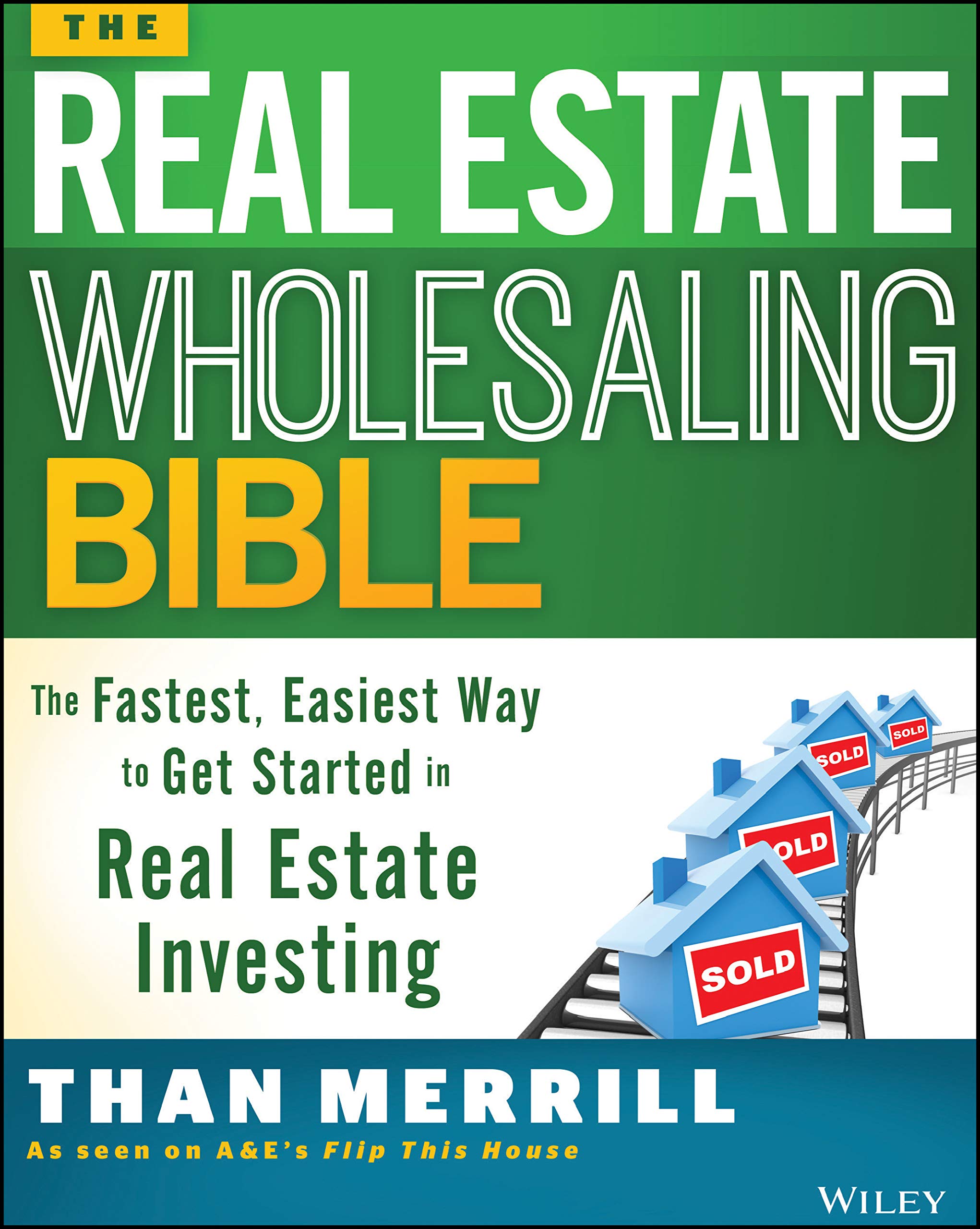
A Comprehensive Look at Whether Wholesaling Houses Is Legit
Wholesaling houses has become a popular strategy among real estate investors, but many wonder about its legitimacy. In this piece, we'll explore the factors that determine if wholesaling houses is a legitimate practice. By understanding the intricacies of wholesaling, you can make informed decisions about engaging in this strategy. The discussion will provide insights into conducting wholesaling activities lawfully and ethically. Let's dive into the world of wholesaling houses to determine its legitimacy in the real estate market. This information is valuable for anyone considering wholesaling as part of their investment portfolio. By the end of this article, you'll have a comprehensive understanding of wholesaling's legal and ethical dimensions.
At its core, wholesaling is about finding undervalued properties and connecting sellers with interested buyers. This strategy requires minimal capital investment and offers the potential for quick returns. Knowledge empowers you to engage in wholesaling responsibly and successfully. Expert opinions from best real estate investing blog WholesalingHousesInfo.com will provide depth to our exploration.
The Basics of Wholesaling Houses
At its core, wholesaling is about securing a property under contract and then assigning that contract to another buyer. Rather than buying the property outright, the wholesaler transfers the purchase rights to another investor. It's an attractive method for those looking to enter real estate investing without significant funds. Understanding this process is crucial to assessing its legitimacy and legality. Many people confuse wholesaling with flipping or acting as an unlicensed agent, which we'll clarify. By comprehending the fundamentals, you can better navigate the complexities surrounding wholesaling. Proper execution of wholesaling practices ensures compliance with legal requirements.
Locating such properties is key to creating profitable wholesaling opportunities. Once you have a property under contract, you then seek out potential buyers interested in purchasing the contract. Being open about your role and intentions helps prevent misunderstandings. Legal contracts are the backbone of legitimate wholesaling transactions. By adhering to these practices, you can operate as a wholesaler legitimately and effectively. Staying informed through reliable sources supports your success and legitimacy.
For more information on real estate investing, go to: house rehab software
The Legal Framework of Real Estate Wholesaling
People often wonder if acting as a wholesaler requires a real estate license. Holding an equitable interest through a contract permits you to transfer your rights. Misrepresenting your role can lead to legal issues and allegations of acting as an unlicensed agent. Certain jurisdictions require wholesalers to have a license or follow particular disclosure rules. It's important to use proper contracts that allow assignment and to include necessary disclosures. Consulting with a real estate attorney can help you navigate the legal requirements in your area. Following the law safeguards your business and reinforces the legitimacy of wholesaling.
Understanding the difference between acting as a principal and acting as an agent is crucial. Always inform all parties of your role and intentions to avoid misunderstandings. These actions might include specific contract language or adherence to advertising regulations. Using standardized contracts recommended by industry professionals can enhance legality. Regularly reviewing and updating your knowledge of real estate laws is beneficial. Leveraging knowledge shared by experienced investors enhances your legal compliance.
Addressing Ethical Concerns in Real Estate Wholesaling
Beyond legality, ethical practices are essential in wholesaling to maintain integrity and reputation. It's important to approach transactions with fairness and transparency to mitigate these concerns. Being honest about your intentions and providing clear information helps foster positive relationships. Educating sellers about the process protects them and reinforces ethical standards. Avoid making false promises or misrepresenting your ability to close the deal. Professional conduct reflects positively on you and the wholesaling community. Ethics play a significant role in establishing wholesaling as a respectable practice.
Building long-term relationships is more beneficial than seeking short-term gains. Providing value to sellers enhances your ethical standing and business success. Ethical dealings with buyers contribute to smoother transactions and partnerships. Adhering to established codes of conduct reinforces your commitment to ethics. Reflect on your practices regularly to ensure they align with your ethical values. Participating in discussions fosters a community committed to ethical wholesaling.
Clarifying Misunderstandings About Real Estate Wholesaling
One misconception is that wholesaling is illegal or a form of fraud. As discussed, wholesaling is legal when conducted properly with the right contracts and disclosures. Another myth is that wholesalers need a real estate license to operate. Confusion often arises between wholesaling and acting as a real estate agent without a license. In reality, wholesaling requires knowledge, skill, and diligence to be profitable and legitimate. By educating yourself and others, you can overcome these misconceptions and approach wholesaling effectively. Debunking falsehoods reinforces the lawful and ethical nature of wholesaling when done correctly.
Correcting misinformation opens doors for more people to engage in wholesaling. Educational content from trusted sources provides clarity and understanding. Engaging in discussions and asking questions can further clarify any uncertainties. Acknowledging the challenges prepares you for the work involved in wholesaling. Proactively correcting myths enhances the reputation of the wholesaling community. Education is a powerful tool in promoting lawful and ethical wholesaling practices.
Best Practices for Legitimate Wholesaling
Proper documentation is the foundation of legitimate wholesaling. Open communication ensures that sellers and buyers understand your involvement. Regularly updating your understanding of laws prevents inadvertent violations. Professional guidance supports lawful and ethical wholesaling practices. Fairness and reliability are key components of legitimate wholesaling. Accurate representations prevent disputes and legal complications. Implementing best practices promotes acceptance and success in the real estate community.
Ongoing learning ensures your practices remain current and compliant. Community involvement enhances your knowledge and professional network. Organized processes lead to more consistent and successful transactions. Ethical handling of information is essential in maintaining professionalism. Seek feedback from clients to improve your services and address any concerns. Thorough record-keeping supports transparency and accountability. Commitment to excellence elevates the perception of wholesaling in the industry.
Case Studies of Legitimate Wholesaling
There are numerous examples of wholesalers who operate legitimately and profitably. For instance, wholesalers who focus on distressed properties help revitalize communities. Positive relationships result in ongoing opportunities and growth. Collaboration with licensed professionals enhances legitimacy and reach. Successful deals benefit all parties involved when handled ethically. These examples demonstrate that wholesaling houses is legitimate when conducted properly. Learning from these cases can guide you in building your own legitimate wholesaling business.
Analyzing these case studies reveals common threads of legality, ethics, and professionalism. Adopting similar attitudes can enhance your own wholesaling endeavors. Lessons learned from others can help you navigate your own wholesaling journey. Emulating successful wholesalers reinforces the viability of wholesaling as a legitimate practice. Consider sharing your own experiences to contribute to the community and support others. Accessing these examples through reputable sources enhances your understanding and confidence.
Final Thoughts on Wholesaling Legitimacy
To wrap up, wholesaling's legitimacy depends on adherence to laws and ethical standards. Understanding the legal requirements and maintaining transparency are key to legitimacy. Knowledge empowers you to conduct wholesaling responsibly and successfully. Adopting guidelines ensures your activities are respected and lawful. Wholesaling offers opportunities for investors willing to operate within the established framework. Engaging with others in the field provides guidance and insight. Embrace the principles discussed to ensure your wholesaling endeavors are both legitimate and rewarding.
Remember, success in wholesaling is a journey that involves continuous learning and adherence to ethical standards. Continued education through reputable platforms supports your wholesaling endeavors. Investing in your education pays dividends in your professional growth. Aligning your actions with your values enhances the rewards of your efforts. Empower yourself with knowledge to make a positive impact in the real estate market. Your dedication to these ideals shapes the future of your wholesaling business. Begin your journey today, confident in the legitimacy of wholesaling houses when done right.
For more information on real estate wholesaling, go to: real estate investor tools